
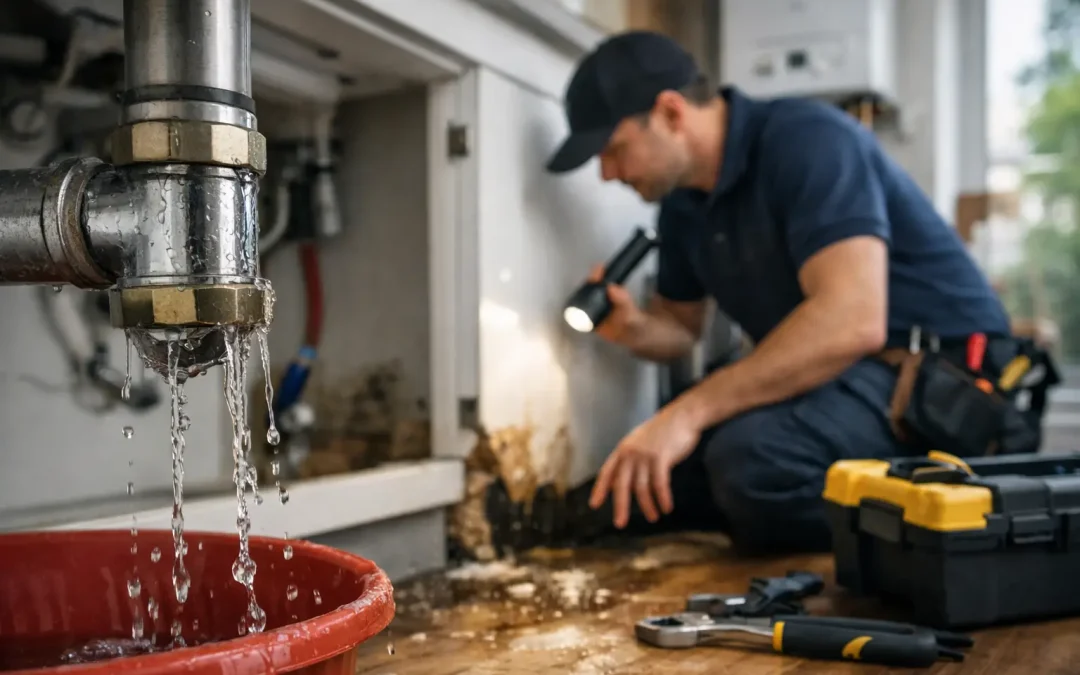
A water leak rarely stays a small problem for long. What starts as a damp patch under the sink or a steady drip from a pipe can quickly turn into damaged flooring, stained ceilings, mould, and a larger repair bill. If you need leak repair Loughborough, the priority is simple – stop the damage, identify the source, and get the right repair arranged without delay.
For homeowners, that usually means wanting a clear answer and a reliable visit. For landlords and letting agents, it often means something more involved: tenant access, photos, updates, quotations, and confidence that the issue has actually been resolved rather than patched over. That is where a professional, well-organised plumbing contractor makes a real difference.
Why leak repair in Loughborough needs quick action
Leaks are often more serious than they first appear. A visible drip is only the part you can see. Water may already be travelling behind units, through floors, into ceilings below, or around pipework boxing. In rental property, a small leak left unresolved can also lead to complaints from tenants, damage to neighbouring flats, and avoidable disruption.
The main risk is not only the water itself. Ongoing moisture can affect plaster, timber, flooring, decoration and electrical areas nearby. In kitchens and bathrooms, it can also encourage mould growth and unpleasant smells. The longer a leak continues, the less likely it is to remain a straightforward plumbing repair.
That is why sensible leak repair work starts with finding the actual source rather than guessing. In some cases the problem is obvious, such as a failed flexi hose under a basin. In others, the leak reported by the occupier is only a symptom, and the true cause is elsewhere.
Common problems behind leak repair Loughborough callouts
In local homes and rental properties, a lot of leaks come from a fairly familiar set of plumbing faults. Tap tails, isolation valves, toilet inlet connections, waste fittings, trap seals, shower pipework and radiator valves are all common causes. Appliance connections for washing machines and dishwashers also fail more often than people expect.
Some leaks are constant, but many are intermittent. A shower may only leak when in use. A waste pipe may drip only as water drains through it. A toilet may appear fine until it refills. Radiator valves sometimes leak only when the heating is on and the system reaches temperature and pressure. These details matter because they affect how the problem is diagnosed.
There are also occasions where a supposed plumbing leak is actually linked to sealant failure, failed grout lines, condensation, or water ingress around a tray or enclosure. That is another reason not to rely on quick assumptions. The correct repair depends on the correct diagnosis.
What to do first if you spot a leak
The first step is to reduce damage. If water is coming through quickly, turn off the local isolation valve if there is one and if it is safe to do so. If the leak cannot be isolated locally, shut off the mains water supply. Move belongings, towels, boxes and electrical items away from the affected area if possible.
After that, take note of what you can see. Is the leak constant or only when a tap, toilet, shower or appliance is used? Is it clean water, heating system water, or wastewater? Has it caused staining downstairs or affected another room? Clear details help speed up the visit and make it easier to bring the right parts or plan the right repair.
If you manage a tenanted property, communication matters just as much as the plumbing issue. The occupier needs to know what to do to limit damage, and the landlord or agent needs a clear update on what has been reported. Delays often happen because nobody is sure who is attending, how access will be arranged, or whether the leak has actually been made safe.
How a professional plumber approaches leak repair
Good leak repair is not just about tightening a fitting and leaving. A proper visit starts with tracing the source and checking whether there is any hidden damage or a wider system issue behind it. That may involve inspecting under sinks, around toilet bases, behind bath panels, near boiler pipework, or around radiators and valves.
Once the source is identified, the next step is deciding whether the repair can be completed there and then or whether a further return visit is the better option. It depends on the part involved, how accessible the leak is, and whether surrounding materials need to be removed carefully. A split pipe in a straightforward location is one thing. A leak hidden behind fitted units or affecting multiple areas is another.
This is where experience and communication count. Customers need plain advice on what has failed, what repair is recommended, whether any follow-on works may be needed, and what the likely next steps are. Landlords and agents usually also need photos, notes and completion updates they can keep on file.
Leak repairs in kitchens, bathrooms and heating systems
Kitchen leaks often come from sink wastes, taps, appliance feeds and stop taps that have started to seep. They can damage cupboards surprisingly quickly because chipboard units do not cope well with moisture. If caught early, the plumbing repair may be simple. If left for weeks, you may also be dealing with swollen carcasses, damaged flooring and unpleasant odours.
Bathroom leaks can be trickier because water often travels before it becomes visible. A leak around a shower tray, bath waste or concealed pipe can show up as a stain in the ceiling below rather than in the bathroom itself. Toilets are another common issue, especially around inlet connections, pan connectors and isolation valves.
Heating system leaks need careful handling too. A leaking radiator valve or pipe joint may look minor, but regular pressure loss in the system can point to a bigger issue. If you are topping up boiler pressure repeatedly, it is worth getting that checked properly rather than treating it as routine. In some cases the leak is obvious at the radiator. In others, the fault lies elsewhere on the system.
Why landlords and letting agents need a well-organised service
Leak repair is not only about technical skill. In managed property, the admin side can be just as important. Someone needs to speak with the tenant, confirm access, attend on time, assess the issue, and report back clearly. If further work is needed, there should be a straightforward quotation process and a clear record of what has been found.
That is why many landlords and agents prefer a local contractor with office support rather than relying on ad hoc availability. The practical benefit is consistency. You know who to contact, you get updates, and the repair is followed through properly.
In and around Loughborough, that local knowledge also helps with response times, access planning and understanding the typical property stock in the area, from modern developments to older housing where plumbing layouts can be less predictable.
Choosing the right company for leak repair Loughborough
When comparing contractors, speed matters, but so does how they work. A good leak repair service should be responsive, but also organised. You want clear communication from the first enquiry, realistic expectations on attendance and repair, and advice that reflects the actual condition of the plumbing rather than a rushed temporary fix.
It is also worth looking at the broader service offering. Leaks are often linked to related issues such as failed taps, toilet faults, shower problems, radiator leaks or boiler and heating concerns. A contractor who handles plumbing, heating and gas work can usually give more joined-up advice, especially when a leak is part of a wider maintenance problem.
Southdown Group Limited works with homeowners, landlords, letting agents and property managers who need that practical, dependable approach – not just the repair itself, but the communication and follow-through around it.
When a leak is not urgent, but still should not wait
Not every leak is dramatic. Some are slow drips under a basin. Some show up as a small stain that does not seem to change much. It can be tempting to leave these until they get worse, especially in a busy household or when managing multiple properties.
Usually, that is a false economy. Slow leaks are often the ones that cause the most hidden damage because they continue quietly for weeks or months. If you have noticed a smell, staining, warped flooring, bubbling paint or regular pressure loss in your plumbing or heating system, it is worth getting it checked before the repair becomes more disruptive.
A sensible leak repair starts with treating the problem seriously, even if it looks minor. When the source is identified early and repaired properly, you protect the property, reduce disruption, and avoid turning a plumbing fault into a much larger maintenance issue.
If something does not look right, it usually is not. Acting early is often the difference between a straightforward repair and a much longer job.