
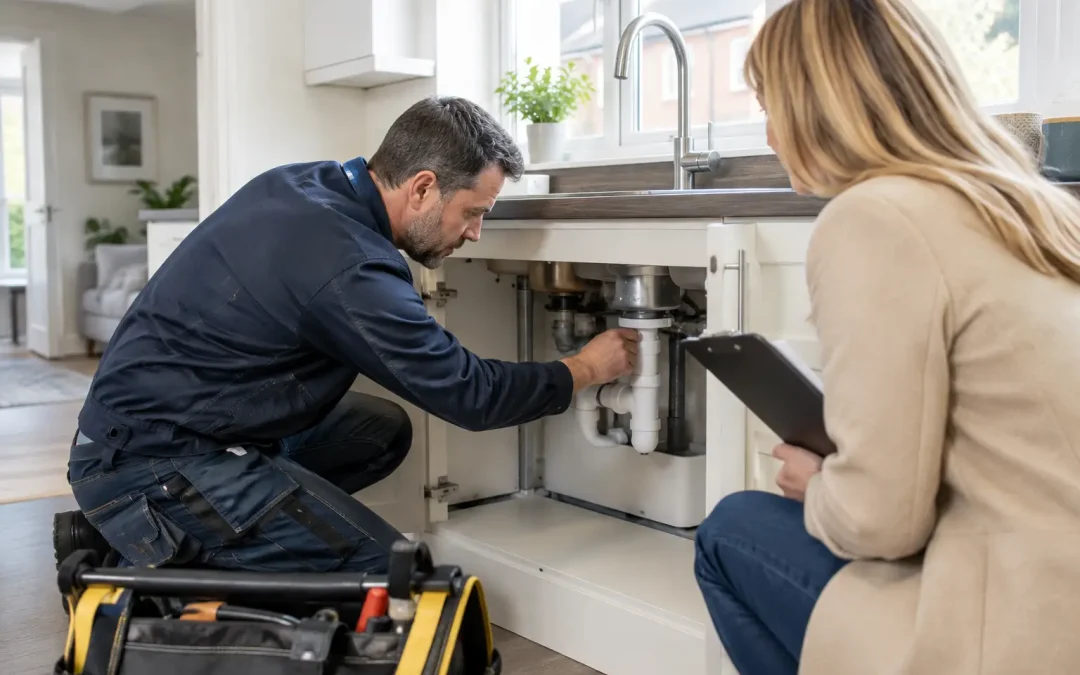
A leaking toilet, failed shower or dripping pipe can create a disproportionate amount of work for a letting agency. The repair itself may be straightforward, but arranging access, reassuring the tenant, approving costs and confirming completion all take time. Effective plumbing support for letting agents should reduce that administration, not add to it.
For agencies managing homes across Loughborough, Leicester, Nottingham and the surrounding areas, the priority is a contractor who can take clear instructions, deal respectfully with occupants and keep the property manager informed throughout. That means an organised process around the repair, not simply sending someone to the property.
What letting agents need from plumbing support
Letting agent maintenance is rarely limited to one trade or one property. A report of low water pressure may turn out to be a shower fault. A leak beneath a sink may have damaged a cupboard, floor covering or surrounding decoration. A toilet repair may need a replacement part, a return visit and a clear explanation for the landlord.
The practical challenge is keeping the chain of communication short and accountable. The agent needs to know what has been reported, when access is arranged, what has been found, whether authorisation is needed and when the work is complete. Tenants need reasonable notice and a professional person attending their home. Landlords need sensible advice and clear costs.
A dependable maintenance contractor helps each party without requiring the letting agent to chase updates. Office support matters here. It allows bookings, keys, tenant contact, quotations, scheduling, photographs and invoices to be managed as part of one workflow.
Common plumbing repairs in rental properties
Many plumbing issues in rental homes begin as minor reports. Left unresolved, they can cause avoidable damage, complaints and disruption. Common requests include tap repairs, leaking pipework, toilet faults, shower repairs, faulty seals, leaks beneath sinks and radiator replacements.
A dripping tap is not always an urgent issue, but it can become a regular source of tenant frustration and unnecessary water use. A toilet that continuously runs, will not flush reliably or leaks at the base needs prompt assessment, particularly in a family home or shared property. Shower problems also need careful handling because water escaping around trays, screens or seals can affect adjoining walls, ceilings and floors.
The right response depends on the report and the condition found on site. In some cases, a repair and replacement part are appropriate. In others, repeated failures or damaged fittings make a planned replacement the more sensible long-term option. Good advice should explain the options rather than automatically treating every issue as a like-for-like repair.
Small leaks need clear decisions
Not every leak requires extensive work, but every leak deserves a proper inspection. Water can travel away from its source, so the visible mark is not always where the fault began. A contractor should identify the likely cause, assess surrounding damage and set out any follow-on repairs needed.
For a letting agent, this avoids the familiar cycle of arranging one visit for the leak, then separate appointments for damaged plaster, joinery or redecorating. Where several trades are required, one company that can coordinate the work gives the agent a single point of responsibility.
A better process for tenant access and updates
Access arrangements are often the difference between a repair being resolved quickly and being delayed for days. Tenants may work shifts, be away from the property or need suitable notice. Keys may be held at the office. The contractor needs an agreed process that respects the tenant while keeping the job moving.
A well-managed plumbing repair normally starts with a useful description of the issue, the property address, tenant contact details where appropriate, access instructions and any known history. Photographs from the tenant can help with triage, although they do not replace an inspection when the cause is unclear.
Once a visit is arranged, the agent should receive confirmation rather than needing to follow up. If the job can be completed during the first visit, the update should state what was repaired and whether any further attention is recommended. If additional work is needed, a clear quotation should explain the scope before the agent seeks landlord approval.
Completion photographs are especially useful for vacant properties, landlords who live elsewhere and jobs involving visible damage. They give the agent a practical record for their file and help demonstrate that the reported issue has been addressed.
When a plumbing issue becomes a wider maintenance job
Rental property repairs do not always stay within a single trade. A shower leak can lead to plastering and decorating. A damaged kitchen unit beneath a sink may need joinery work. Old sealant or failed panels in a bathroom may make a small repair uneconomical compared with a targeted bathroom improvement.
This is where coordination becomes valuable. Rather than passing the job between separate contractors, the letting agent can have the repair, quotation and follow-on works organised under one company. The scope can be planned in the right order, reducing unnecessary repeat visits and making it easier to keep the tenant informed.
There is a balance to strike. For a minor fault in an otherwise sound property, a focused repair is usually appropriate. For a void property with several outstanding issues, combining plumbing repairs with decorating, flooring repairs, kitchen improvements or bathroom refurbishment may be more efficient. The condition of the property, available budget and tenancy timetable will shape the best route.
Plumbing support for letting agents during voids
A void period is an opportunity to deal with maintenance issues before a new tenancy starts. Plumbing checks can identify worn taps, slow-draining wastes, damaged toilet fittings, tired shower seals and radiators that need replacement. Addressing these items early can reduce call-outs during the first weeks of a new tenancy.
Void work also benefits from planned scheduling. If decorating, plastering or joinery is required, the plumbing work should be sequenced around it. For example, repairing a leak and allowing affected materials to dry should happen before final decoration. Installing replacement bathroom fittings may need to be completed before tiling, sealing and finishing work.
Southdown Group can manage individual rental property repairs as well as multi-trade void refurbishments, providing one organised route from the initial report through to completion. This is particularly useful where the property manager needs progress updates without managing several separate trades.
Choosing a contractor for letting agent maintenance
The lowest initial quotation is rarely the only consideration for an agency. A contractor who is difficult to contact, misses access arrangements or leaves unclear notes can cost more in staff time than a well-organised service. Reliability, communication and accountability should carry real weight.
Look for a company that understands tenant liaison and can provide clear quotes where approval is required. It should have a sensible process for booking visits, collecting keys where agreed, recording works completed and raising follow-on issues before they become more expensive. Experience across plumbing, general building repairs and refurbishment is also useful when a job develops beyond the original report.
It is equally important to set expectations at the outset. Agree who can authorise work, what spending limits apply, how updates will be issued and how photographs or invoices should be provided. These details prevent delays and make routine maintenance easier to manage across a portfolio.
A plumbing repair should not leave a letting agent with more calls to make, more contractors to coordinate or uncertainty about what has happened at the property. With organised booking, respectful tenant communication and clear completion information, routine repairs become a controlled part of property management rather than an avoidable drain on the working day.