
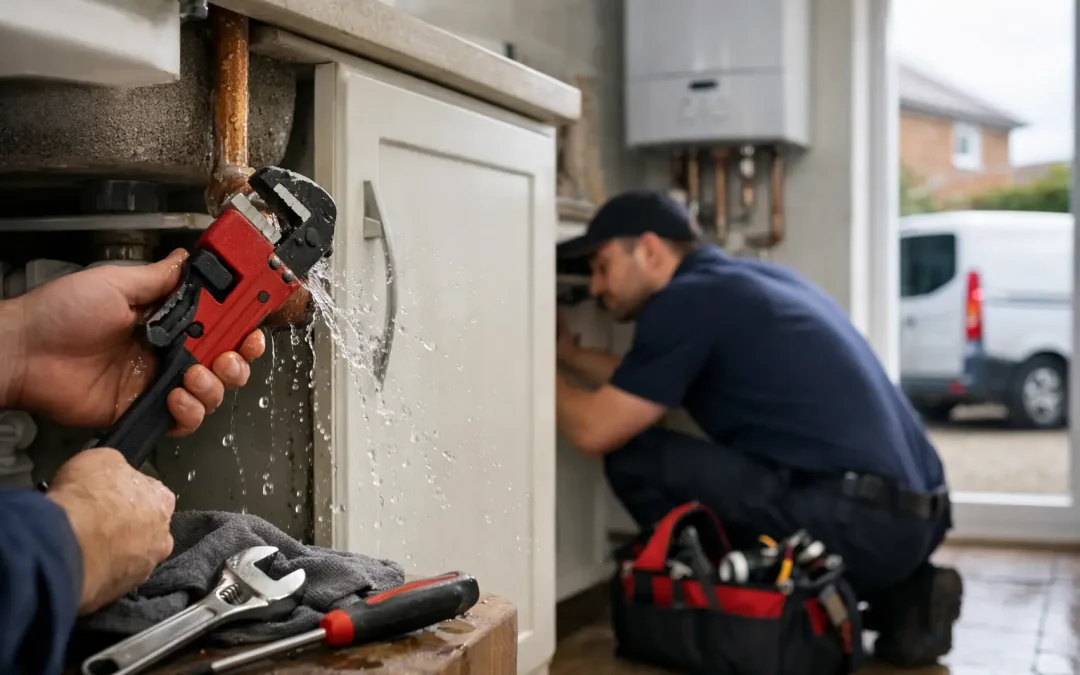
A leaking pipe at 10pm, a toilet that will not flush in a tenanted property, or a boiler fault just as the temperature drops can turn into a bigger problem very quickly. When you need an emergency plumber Loughborough, the priority is not just getting somebody out fast. It is getting the right help, clear communication, and a proper repair plan that limits damage and keeps everyone informed.
For homeowners, that usually means protecting the property and getting normal use back as soon as possible. For landlords and letting agents, there is the added pressure of tenant contact, access arrangements, reports, quotations and updates. In both cases, a rushed response without proper organisation can create more disruption than the original fault.
What counts as a plumbing emergency?
Not every plumbing issue is an emergency, but some faults should be treated urgently because delay can lead to water damage, heating loss, safety concerns or avoidable cost. A burst pipe is the obvious example. So is a significant leak from pipework, a failed stop tap, a leaking cylinder, or an overflowing toilet where there is no alternative toilet in the property.
Heating and hot water faults can also become urgent, particularly in colder weather, in homes with vulnerable occupants, or in rental properties where a lack of heating needs prompt attention. Boiler breakdowns, radiator leaks, and pressure-related problems may not always require an immediate same-minute visit, but they do need a quick and sensible response.
It depends on the situation. A slow drip under a kitchen sink is not the same as water coming through a ceiling. A shower fault may be inconvenient in one property and a genuine issue in another if it is the only washing facility available. The right contractor will usually want a clear description of the fault first, so they can judge urgency properly rather than making blanket promises.
First steps before an emergency plumber in Loughborough arrives
In a genuine leak, the first job is to reduce damage. If it is safe to do so, turn off the water supply. Many properties have an internal stop tap, often under the kitchen sink or near where the mains enters the building. If water is close to electrics, do not take risks. Isolate power to the affected area if you can do so safely, and avoid using sockets or switches nearby.
If the issue involves the heating system, turning the heating off may help prevent further loss of water or pressure. For a leaking toilet, cistern or tap, isolating the local valve can sometimes contain the issue until a plumber attends. Gas-related concerns are different. If you smell gas or suspect a gas escape, that must be treated as a gas emergency and handled through the correct emergency route, not as a standard plumbing call.
Good information helps speed things up. A short description, photos where possible, and details about whether the water has been isolated can make a real difference. For landlords and agents, it also helps to confirm who is on site, whether access is available, and whether there are any parking or entry instructions that could delay attendance.
Why response matters, but communication matters too
When people search for an emergency plumber, they often focus only on speed. Speed matters, but organised communication matters just as much. If no one explains what is happening, whether the fault has been made safe, or whether a return visit is needed, the stress continues even after the first attendance.
This is especially true in managed properties. Letting agents and landlords often need more than a repair. They need a contractor who can deal with tenant communication professionally, attend with clear instructions, report back promptly, and provide quotations or photos if follow-on work is needed. That support reduces admin and avoids the usual back-and-forth that slows everything down.
A dependable local contractor should be able to explain whether the problem can be resolved there and then, or whether temporary works are needed first to make things safe. Some emergencies require parts that are not immediately available. In those cases, honesty is better than guesswork. A clear temporary solution, followed by a booked return visit, is often the most practical outcome.
Common call-outs for an emergency plumber Loughborough
The most common urgent plumbing jobs are usually leaks, failed toilets, faulty taps that will not shut off, shower issues causing water escape, and heating problems linked to boilers, radiators or pipework. In rental properties, blocked or leaking toilets tend to move quickly up the priority list because they affect basic day-to-day use.
Leaks vary a lot. Some are obvious, such as a split flexi hose under a basin. Others are hidden until staining appears on a ceiling or a tenant notices damp flooring. The source is not always directly above the damage, which is why experience matters. A proper inspection can save time and prevent unnecessary disturbance.
Boiler and heating faults also need a measured approach. No heating or hot water may point to a boiler problem, a control issue, low system pressure, a faulty pump, or a leak elsewhere in the system. Treating every fault as identical leads to wasted visits. A contractor who handles plumbing, heating and gas work together can usually assess the wider picture more efficiently.
What landlords and letting agents should expect
In emergency maintenance, landlords and agents usually need three things – a prompt response, a clear record of what happened, and confidence that the job is being managed properly. That means knowing whether the issue has been made safe, what the likely next step is, and whether any tenant cooperation is required.
This is where an office-supported contractor has a clear advantage over an informal arrangement. Emergency work can involve scheduling pressures, access coordination, updates to multiple parties and follow-on works that need quoting. Having that backed up by organised administration makes the process much easier, particularly for portfolio landlords and busy property managers.
If the problem affects habitability, speed and clarity become even more important. Heating loss in winter, major leaks, and sanitation issues all need prompt handling. Equally, not every reported emergency turns out to need a major repair. A practical contractor will assess the urgency, attend appropriately, and avoid turning a straightforward fix into unnecessary cost or confusion.
Choosing the right emergency plumbing support
Local knowledge helps. A contractor working across Loughborough and the surrounding area is more likely to understand common property types, access issues, parking restrictions in certain streets, and the practicalities of serving nearby towns and villages efficiently. That does not guarantee instant attendance, but it does support a more realistic and reliable service.
It is also worth looking at the range of services behind the emergency response. Plumbing emergencies are not always standalone plumbing jobs. A leak may affect ceilings and decoration. A heating fault may need gas-safe assessment. A landlord might need a separate gas safety visit or follow-on maintenance arranged once the immediate issue is contained. Working with a company that can manage plumbing, heating, gas and wider property maintenance can simplify what happens next.
Professional standards show up in small things. Clear booking information, realistic timeframes, straightforward advice, tidy workmanship and proper updates all matter. Southdown Group Limited works with homeowners, landlords, agents and property managers who need that level of reliability, especially when a problem is urgent and there is little room for miscommunication.
After the emergency is under control
Once the immediate issue has been dealt with, the next step is making sure the underlying cause has not been missed. Stopping a leak is one thing. Understanding why it happened is what helps prevent a repeat call-out. That may involve checking water pressure, inspecting ageing valves, looking at pipe condition, or reviewing whether a boiler or heating component has been showing signs of failure for some time.
This is also the point where preventative work starts to make sense. A landlord with repeated tenant-reported plumbing issues may be better off addressing several worn fittings together rather than treating each failure in isolation. A homeowner dealing with radiator leaks and poor heating performance may benefit from a broader inspection of the system rather than another temporary fix.
Emergency plumbing is really about two jobs – making the situation safe and then putting it right properly. If you need help fast, the best result usually comes from a contractor who can do both, while keeping communication clear from first call to final update.
When something goes wrong unexpectedly, calm decisions matter more than dramatic promises. A quick, organised response from a reliable local team can make a difficult day far easier to manage.