
You usually notice boiler problems at the worst possible time – on a cold morning, before tenants move in, or just as the heating starts working harder again. If you are asking when should a boiler be serviced, the short answer is once a year. The more useful answer is that timing matters, and the right time depends on how the property is used, what the manufacturer recommends, and whether you are a homeowner, landlord or managing agent.
A boiler service is not just a box-ticking exercise. It is a planned check that helps spot wear, safety concerns and early faults before they turn into breakdowns, loss of heating or more expensive repairs. For landlords and property managers, it also helps keep compliance and tenant communication on track.
When should a boiler be serviced each year?
For most homes and rental properties, a boiler should be serviced every 12 months. That annual pattern is the standard most manufacturers, insurers and heating engineers expect. It gives enough regular oversight to check combustion, ventilation, pressure, key components and general condition without leaving long gaps where issues can build unnoticed.
In practice, late summer or early autumn is often the best time to book it. That is before the colder weather starts, when the boiler is likely to be used more heavily and when demand for heating engineers tends to increase. Booking a service in September can be easier than waiting until the first cold snap in November, when appointments fill up and existing faults become more urgent.
That said, an annual service does not have to happen in autumn to be valid or useful. If your boiler was last serviced in February, the right time is around the following February. Consistency matters more than chasing a particular season.
Why annual servicing matters
Boilers are working appliances with moving parts, seals, electrical components and combustion processes that need checking properly. Even if the heating appears to be running normally, small issues can develop quietly. A service can highlight early signs of corrosion, blocked condensate issues, pressure irregularities, flue concerns or components starting to wear out.
Regular servicing also helps maintain efficiency. A neglected boiler may still run, but not necessarily at its best. Poor combustion or a dirty component can affect performance, which can mean higher running costs and more strain on the system over time.
There is also the safety aspect. Gas appliances need proper inspection by a qualified Gas Safe registered engineer. This is particularly important in rental properties, where clear records, planned access and dependable follow-up matter just as much as the work itself.
When should a boiler be serviced if you are a landlord?
For landlords, the answer to when should a boiler be serviced is usually tied to the annual gas safety check, but the two are not exactly the same thing. A landlord gas safety inspection is a legal requirement for rented properties with gas appliances. A boiler service is a maintenance check. Many landlords choose to arrange both at the same visit because it is practical, efficient and easier to manage with tenants.
The key point is not to leave it until the last minute. If a CP12 certificate is due to expire, booking early gives time to deal with any fault, remedial work or access issue without creating unnecessary pressure. This is especially relevant for letting agents and portfolio landlords who may be coordinating several properties and tenant appointments at once.
For rental properties, a planned annual schedule tends to work best. It keeps records tidy, reduces avoidable admin, and gives everyone clearer expectations around access and timing.
Signs a boiler may need attention sooner
A yearly service is the normal rule, but sometimes a boiler needs checking earlier. If a system starts showing warning signs, waiting for the next routine service may not be sensible.
Common signs include unusual noises, inconsistent hot water, radiators not heating properly, repeated pressure loss, error codes, pilot or ignition issues, or a boiler switching itself off. A service is not the same as a repair visit, so if there is an active fault, it usually needs diagnosing separately. Still, these problems can be a sign that the appliance should be inspected sooner rather than later.
Another situation is after long periods of low use. If a boiler has been idle in an empty property, holiday let, or vacant rental, it can be worth arranging a check before putting it back into regular use. The same applies where a property has changed hands and there is no clear servicing history.
Does boiler type change the answer?
To a point, yes. Combi boilers, system boilers and regular boilers all benefit from annual servicing, but the wider setup may affect what needs checking and how the system behaves between visits.
A combi boiler is often under steady demand because it provides both heating and hot water directly. In busy family homes, that usage can expose wear more quickly. A system or regular boiler may involve additional components such as cylinders, tanks or controls that also affect performance and should not be ignored when heating problems arise.
Manufacturer guidance also matters. Some warranties require servicing at set intervals and may expect proof that it has been carried out correctly. Missing those intervals can cause problems later if a fault develops and a warranty claim is needed.
Is summer the best time for boiler servicing?
For many properties, yes. Summer is often the most convenient time because the heating is less likely to be needed urgently, and any recommendations from the service can usually be dealt with before winter demand starts.
For landlords, this can also make tenant coordination easier. Access is often simpler when the heating is not relied on every day, and there is more time to arrange follow-on works if needed. Homeowners tend to benefit for the same reason – fewer disruptions and less risk of discovering an issue when temperatures drop.
But there is a trade-off. Some people prefer to service the boiler just before peak use, as it feels more immediate and relevant. There is nothing wrong with that approach as long as it still happens annually and is not delayed into the busiest period.
What happens during a boiler service?
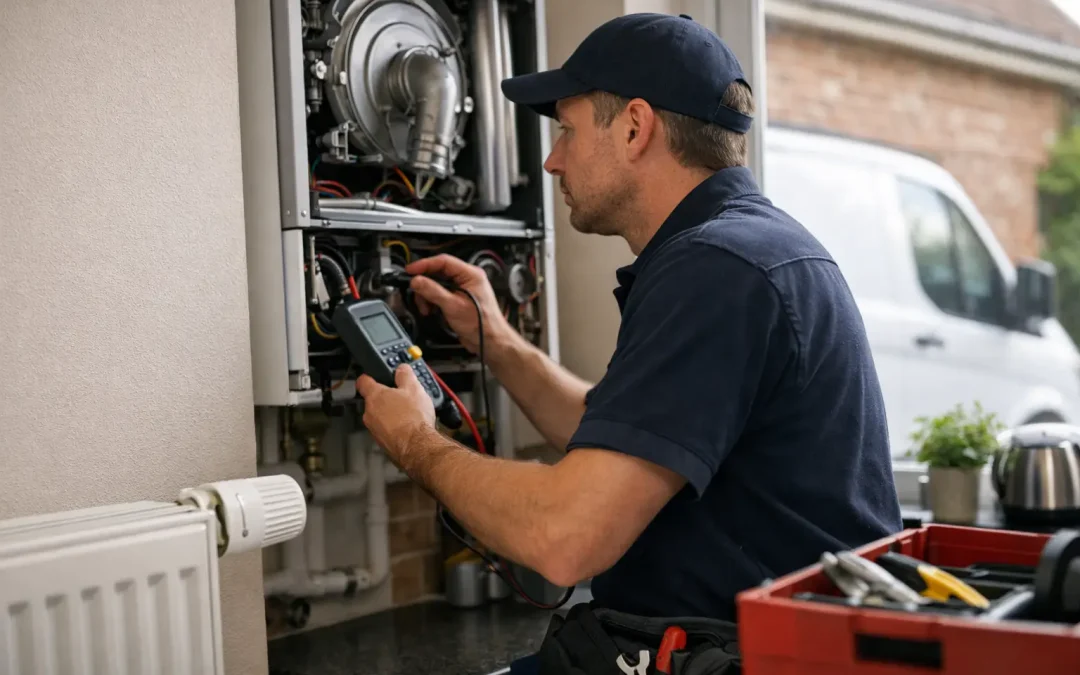
A proper boiler service is a professional inspection and maintenance check carried out by a Gas Safe registered engineer. The exact process varies depending on the appliance, but it commonly includes checking the boiler’s general condition, safety devices, flue, gas pressure, combustion performance and key internal components where appropriate.
The engineer may also look for leaks, corrosion, signs of overheating or poor ventilation, and confirm whether the appliance appears to be operating safely. If something needs repair, adjustment or further investigation, that is usually identified during the visit and explained clearly.
For landlords and letting agents, this matters because a well-run visit should not just result in the technical work being done. It should also leave a clear record of what was checked, whether any issues were found, and what happens next if follow-up work is needed.
Common reasons people delay servicing
The most common reason is simple enough – the boiler seems fine. If heating and hot water are working, servicing can drop down the list. The problem is that many faults start small. By the time the boiler is obviously failing, you are no longer booking a planned service. You are dealing with a repair, tenant complaint or loss of heating.
Another reason is access. In managed properties, arranging entry with tenants can be awkward if communication is poor or nobody is tracking due dates properly. That is why organised booking and clear updates make a real difference. Servicing is much easier when it is treated as routine maintenance rather than a last-minute scramble.
Some owners also assume a newer boiler does not need annual attention. In reality, newer models still need servicing. In some cases, regular servicing is even more important because of warranty conditions and the complexity of modern components.
The practical answer for homeowners and landlords
If you want a simple rule, service your boiler every year and book it before that 12-month point slips by. Keep a record of the last visit, follow the manufacturer guidance, and do not ignore warning signs between services.
For homeowners, that means less chance of winter disruption and a better idea of the boiler’s condition. For landlords and agents, it means fewer compliance headaches, clearer maintenance planning and a better standard of care for the property.
In and around Loughborough, Leicester and Nottingham, where many customers are balancing busy households, tenanted properties and ongoing maintenance jobs, the best approach is usually the least dramatic one – book boiler servicing routinely, keep it organised, and deal with small issues before they become urgent.
A boiler rarely chooses a convenient moment to fail, so the sensible time to service it is before it has the chance to remind you.