
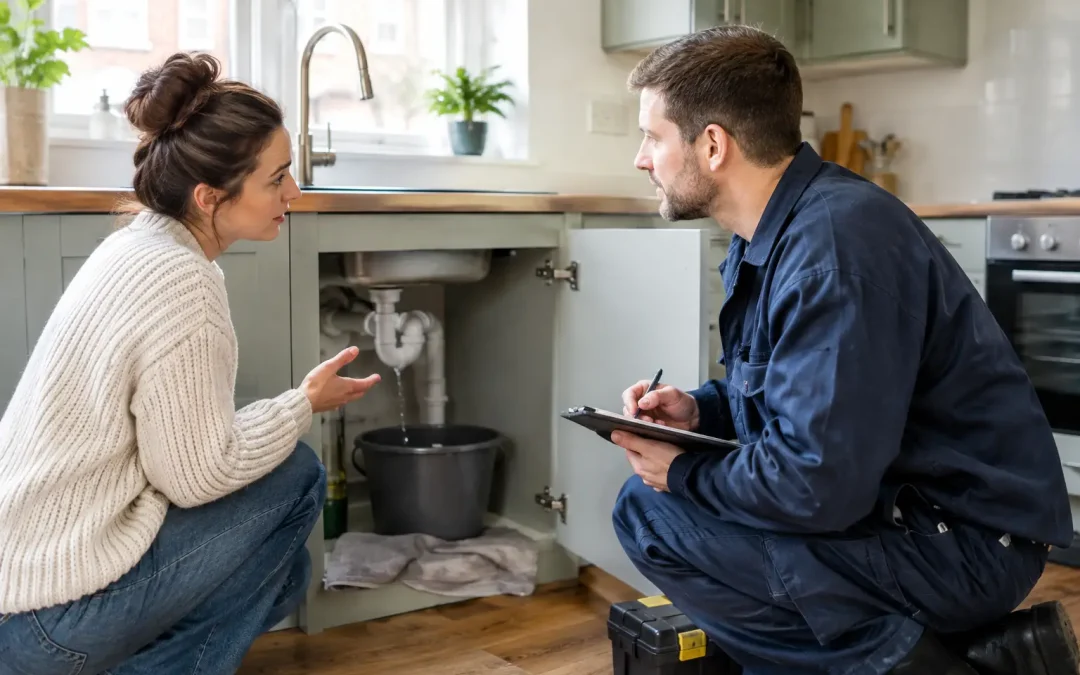
A dripping tap can become a damaged unit, a ceiling stain can point to a leak above, and a loose fence panel can quickly become a bigger issue after bad weather. Knowing how to report tenant repairs clearly gives the landlord or letting agent the information needed to assess the problem, arrange the right trade and keep the repair process moving.
For tenants, a good report helps avoid repeated questions and unnecessary visits. For landlords and property managers, it creates a clear record, supports sensible maintenance decisions and makes it easier to coordinate access, quotations and completion updates.
Report repairs as soon as you notice them
Small issues are usually easier and less disruptive to resolve when they are reported early. Do not wait for a routine inspection if a repair is affecting how the property works, causing visible damage or getting worse. Water leaks, faulty toilets, damaged roofing, loose guttering, broken fencing and signs of damp all benefit from early attention.
The first step is to use the reporting route set out in the tenancy agreement or welcome information. This may be an online portal, email, property management system or a dedicated office contact. Reporting through the agreed channel means the landlord or agent can log the issue, allocate it correctly and retain a record of the communication.
A phone call may be useful where a problem is rapidly worsening, but it is sensible to follow it with a written report. Written details reduce confusion about what was found, when it was reported and whether access has been offered.
What to include when reporting tenant repairs
A report does not need to be technical. In fact, guessing the cause can sometimes send the repair in the wrong direction. Describe what you can see, hear or experience, and allow the maintenance contractor to investigate the cause.
Include the exact location of the issue. “There is a leak in the bathroom” is less useful than “water is appearing from the pipework below the basin in the upstairs bathroom”. If the problem only happens at certain times, say so. For example, a shower may leak only when in use, a radiator may remain cold after the heating is switched on, or a roof leak may appear after heavy rain.
A helpful repair report should cover four practical points:
- What the problem is and where it is located.
- When you first noticed it and whether it is getting worse.
- Clear photographs or a short video where appropriate.
- Your current contact details and suitable access times.
Photographs are particularly useful for visible defects such as mould staining, damaged plaster, cracked tiles, broken handles, fencing damage, guttering issues or external brickwork concerns. Take a wider image to show the location, then a closer image of the fault. Avoid editing images or using poor lighting, as clear evidence helps the contractor prepare for the visit.
Give useful access information
Many rental property repairs are delayed not because the work is difficult, but because access has not been agreed. Let the landlord, agent or maintenance coordinator know which days and times you are available, whether someone can be present and if there are any relevant access arrangements for the building.
If you are comfortable for a managed contractor to attend while you are out, confirm this through the agreed process. Letting agents and landlords should only arrange entry in line with the tenancy terms and appropriate notice requirements, except where different arrangements are justified by the circumstances.
For managed portfolios, good access information saves considerable administration. An office-supported contractor can contact the tenant, coordinate a mutually suitable appointment, collect keys where authorised and provide the landlord or agent with progress updates. This is particularly helpful where a repair requires more than one visit or several trades.
Help the contractor assess the right repair
Maintenance problems often look simple at first. A patch of damaged plaster may be caused by a plumbing leak, defective guttering, a roofing issue or condensation. A kitchen cupboard may need a joinery repair, but water damage behind it may also need attention. Clear reporting helps identify what needs inspection, but an initial visit may still be needed before the full scope of work is known.
This is where a joined-up property maintenance service can make a practical difference. Rather than asking a landlord or agent to find separate people for plumbing repairs, plastering, decorating or joinery, one contractor can assess the issue and coordinate the relevant work. The result is a more controlled process, especially where a repair affects several parts of the property.
Tenants can help by explaining whether the issue has happened before, whether previous work has been completed and whether anything in the property has changed recently. Keep the information factual. A clear history can help distinguish a recurring fault from a new defect.
Know when a repair needs urgent attention
Some repairs cannot wait for a standard booking because they present an immediate risk to people or the property. Examples include uncontrolled water escaping into the property, serious electrical danger, major structural damage or a property that cannot be secured.
In these circumstances, follow the emergency contact procedure provided by the landlord or letting agent. If there is an immediate threat to safety, contact the appropriate emergency service. Once safe to do so, provide the landlord or agent with a written account and any photographs that can be taken without risk.
For less immediate problems, avoid treating every issue as an emergency. A slow-draining basin, cosmetic damage or a minor sticking door may still need repair, but the appropriate response time will depend on the fault, the impact on the tenant and the availability of parts or specialist labour. Setting the right priority helps resources reach the most serious issues first.
Keep a simple record of the repair
After submitting the report, keep copies of emails, messages, photographs and appointment confirmations. This is not about creating conflict. It is simply good tenancy and property management practice. A basic record makes it easier to check what has been reported, what action has been agreed and whether follow-up work is required.
If an operative attends, explain the problem as it is happening rather than only describing it from memory. Point out the affected area, mention when the issue occurs and raise any related damage you have noticed. If further work, materials or a quotation are needed, the landlord or agent should be updated before non-routine work is authorised.
For landlords and letting agents, photographic reporting before and after completion provides reassurance that the issue has been addressed. It also helps where a repair develops into wider refurbishment work, such as replacing damaged kitchen units, repairing a bathroom, replastering affected walls or redecorating following a leak.
A clear process benefits everyone
A well-reported repair is easier to schedule, diagnose and complete. Tenants benefit from clearer communication and fewer avoidable delays. Landlords and letting agents gain a useful audit trail and a more manageable maintenance workflow. Contractors can arrive with better information, the right materials and a clearer understanding of the work required.
For rental properties across Loughborough and the surrounding East Midlands, Southdown Group can support that process with organised booking, tenant communication, multi-trade coordination and photographic updates from enquiry through to completion. The aim is not simply to fix the visible fault, but to make the maintenance process easier to manage for everyone involved.
The best repair reports are straightforward: report the issue early, describe it accurately, provide clear evidence and make access arrangements where possible. That small amount of preparation can turn a frustrating property problem into a repair that is properly assessed and efficiently resolved.