
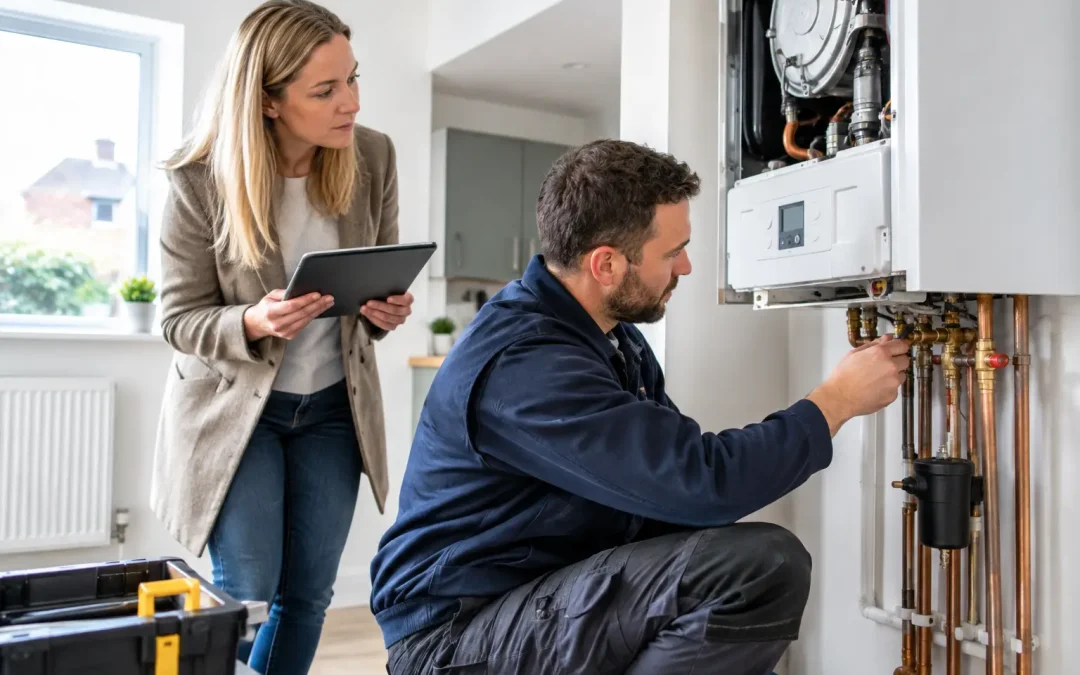
A dripping toilet, a leaking radiator or a shower that will not drain properly can quickly become more than a minor repair in a rented property. Plumbing and heating for landlords needs a prompt, organised response that protects the property, respects the tenant and keeps the landlord informed without adding unnecessary administration.
For landlords and letting agents, the challenge is rarely just finding someone to attend. It is arranging access, understanding the issue, approving the right work, coordinating any follow-on repairs and receiving clear confirmation when the job is complete. A dependable maintenance process makes all the difference.
Why small plumbing and heating issues need quick action
A slow leak beneath a basin can damage flooring, skirting boards and kitchen units before it is visible. A faulty toilet can disrupt daily life for a tenant. A radiator leak may stain carpets or ceilings in the property below. The longer these issues are left, the more likely they are to involve plastering, decorating, joinery or flooring repairs as well as plumbing work.
Prompt action is not about overreacting to every report. It is about identifying the cause early and making a sensible decision based on the condition of the property. Some jobs need a straightforward repair, while others reveal ageing fittings, poor previous work or water damage that should be addressed properly rather than patched over.
This is where an organised contractor is particularly useful. Instead of leaving a landlord or property manager to arrange separate visits, the work can be assessed, scheduled and coordinated under one point of responsibility. That is valuable when a repair needs more than one trade to return the room to a good standard.
A practical approach to plumbing and heating for landlords
Good landlord maintenance starts with clear information. When a tenant reports a problem, the first details should establish what is happening, where it is happening and whether there is visible water damage. Photos and a brief description can help a contractor arrive prepared, although an inspection is often needed to confirm the cause.
The next step is arranging access in a way that works for the tenant. This may mean booking a suitable appointment, collecting keys from a letting agent or providing a clear arrival window. Tenants should not be left wondering who is attending or why, particularly where a repair may require water to be temporarily isolated or a room to be cleared.
Once the issue has been inspected, the landlord needs a practical explanation. That should set out the fault, the recommended repair and any wider work that may be required. For example, repairing a concealed pipe leak may solve the immediate problem, but damaged plasterboard or swollen flooring may also need attention. A clear quotation avoids confusion about what has been allowed for and what may be identified once work begins.
After approval, the job should be scheduled and completed with appropriate updates. Photographs before and after the work are especially useful for landlords who do not live nearby, portfolio owners and letting agents managing several properties. They also create a useful record for future maintenance planning.
Common landlord repairs that should not be ignored
Landlord plumbing repairs cover far more than dramatic leaks. Many of the most disruptive issues begin as small faults that tenants understandably find frustrating. Dripping taps, loose toilets, damaged sealant, slow-draining showers and leaking wastes can all affect how a property feels to live in.
Radiators also need attention when they leak, are loose, make persistent noise or fail to heat as expected. In some cases, a replacement radiator is the sensible option, especially if it is badly corroded or has been repeatedly repaired. The best option depends on the age and condition of the fitting, the wider system and the standard expected for the property.
Bathrooms deserve particular attention because water can escape behind panels, around shower trays and beneath flooring without being obvious. A failed seal around a bath or shower may seem cosmetic at first, but repeated water exposure can lead to damaged ceilings, mould growth and more expensive refurbishment work below.
Kitchens present similar risks. A leaking sink trap, loose tap connection or failed appliance pipework can affect units, worktops and flooring. Addressing the plumbing fault quickly is essential, but a well-managed repair also considers whether adjacent materials need drying, repairing or replacing.
Protecting the tenancy as well as the property
Tenants judge a rental property by how problems are handled. They do not expect every issue to be fixed instantly, but they do expect clear communication, reasonable appointment arrangements and work completed with respect for their home.
That means keeping them updated if parts need to be ordered or a return visit is required. It also means leaving the area tidy and making good any access openings or finishes affected by the repair. Where larger work is needed, such as a bathroom improvement or repair following a significant leak, a staged plan helps tenants understand what will happen and how long it is likely to take.
For letting agents, good communication reduces inbound calls and follow-up chasing. A maintenance contractor that can speak directly with occupants, arrange access and report back clearly removes much of the day-to-day pressure from the property management team.
Plan preventative maintenance around the tenancy cycle
Reactive repairs will always be part of landlord maintenance, but planned checks can prevent some avoidable call-outs. The start of a tenancy, routine property inspections and void periods are useful opportunities to identify small defects before they inconvenience a new tenant or develop into larger repairs.
During these visits, it is sensible to look for early signs of water damage around sinks, toilets, showers and radiators. Check that taps operate properly, toilet fittings are secure, shower screens and sealant are in reasonable condition, and there are no visible stains beneath plumbing connections. Keep a record of repairs completed and recurring issues reported by tenants.
A void period is often the best time to deal with jobs that are inconvenient during occupation. Replacing worn sanitaryware, improving a tired bathroom, repairing damaged flooring or redecorating after leak repairs can be coordinated as part of a wider refurbishment. Combining trades usually makes the programme easier to manage and helps prepare the property to a consistent standard before remarketing.
When a repair becomes a refurbishment decision
There is a point where repeated repairs stop being good value. A bathroom with recurring leaks, damaged wall finishes and worn fittings may need a planned upgrade rather than another isolated repair. The same applies to kitchens with water-damaged units or properties where several small defects indicate that maintenance has been deferred for too long.
The right decision depends on budget, tenant circumstances, the expected rental standard and the condition of the surrounding finishes. A repair may be entirely appropriate in a well-maintained room with one failed component. A refurbishment is more likely to be worthwhile where the work will resolve several linked problems and reduce further disruption.
This is where project coordination matters. Plumbing work may need to be planned alongside plastering, tiling, decorating, joinery and waste removal. Managing those trades through one organised company gives the landlord a clearer programme, fewer separate appointments and better oversight of the finished result.
Choosing a contractor for landlord maintenance
For landlords, the cheapest-looking option is not always the most cost-effective once tenant communication, repeat visits and follow-on repairs are considered. The better question is whether the contractor can take ownership of the full process.
Look for clear booking arrangements, practical quotations, good communication with tenants and the ability to coordinate other trades when needed. The contractor should understand that a rental repair is not complete simply because the immediate fault has stopped. The area should be left safe, tidy and appropriately finished, with the landlord or agent given a clear update.
Southdown Group supports landlords, agents and property managers across Loughborough and the surrounding East Midlands with organised property maintenance, repairs and refurbishment work. From a leaking tap or damaged radiator to a multi-trade repair after water damage, the focus is on clear communication, sensible scheduling and accountable delivery.
A well-managed maintenance response gives tenants confidence that their home is being looked after and gives landlords a clearer view of their property’s condition. Deal with small issues early, keep good records and use a contractor who can coordinate the work properly when a simple repair turns into something more.