
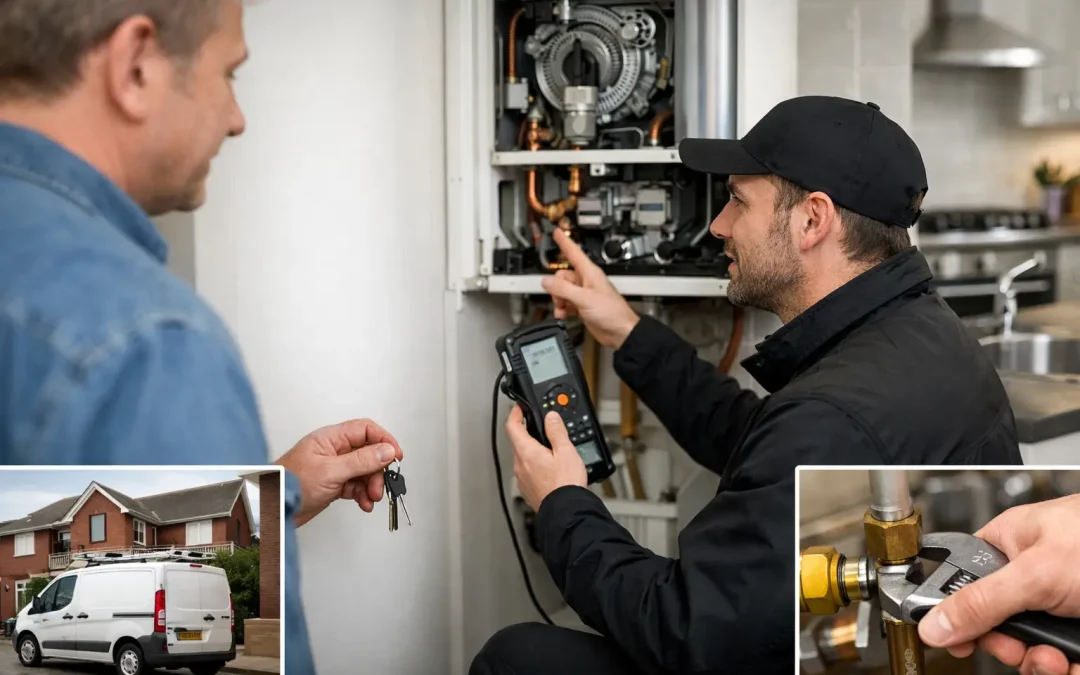
A gas safety check becomes a problem when it is left too late. Landlords usually know it needs doing every year, but the real pressure tends to come from chasing access, fitting around tenants, and making sure the certificate is issued without delays. If you are working out how to arrange landlord gas checks in a way that is straightforward and properly documented, a bit of planning makes the whole process easier.
For landlords and letting agents, the goal is not simply to tick off a legal duty. It is to keep the property safe, avoid last-minute panic, and have a clear record of what was checked, what needs attention, and when the next inspection is due. That matters even more when you are managing several properties or trying to coordinate repairs alongside the annual check.
How to arrange landlord gas checks without delays
The simplest approach is to treat the annual gas safety check as part of your regular property management cycle, not as a one-off job when the expiry date is close. Most problems happen when a booking is left until the last few weeks and then access, tenant availability or repair work slows everything down.
Start by checking the current certificate date and identifying when the next check is due. A landlord gas safety check applies to gas appliances and flues provided for tenants, so you will want to know exactly what is at the property before you book. In many homes that will include the boiler, gas hob or cooker, and sometimes a gas fire. If the appliance belongs to the tenant rather than the landlord, that changes what is covered, so it is worth being clear from the outset.
Once you know the due date and the appliances involved, book a Gas Safe registered engineer or contractor with experience in landlord work. This matters because the check itself is only one part of the job. In practice, landlords often need help with tenant contact, access arrangements, follow-up repairs and paperwork. A contractor used to dealing with rental properties will generally make the process smoother and reduce the amount of chasing you need to do.
What a landlord gas safety check involves
A landlord gas safety check is not the same as a boiler service, although people often group them together. The gas safety check focuses on whether the relevant appliances and flues are safe at the time of inspection. That includes checking for correct operation, safe gas pressure where relevant, suitable ventilation, and signs that appliances are burning gas properly and safely.
If everything is satisfactory, the engineer will issue a Gas Safety Record, commonly called a CP12 certificate. This is the document landlords need to keep and provide as required. If something is identified as unsafe, the next steps depend on the severity of the issue. In some cases, it may be a straightforward repair. In more serious cases, the appliance may need to be turned off until the fault is put right.
That is why it helps to use a contractor who can do more than just attend, test and leave. If a fault is found, quick reporting and practical advice make a difference. For letting agents and landlords, clear communication can be as valuable as the inspection itself.
Gas check or boiler service – do you need both?
It depends on the property and the condition of the heating system, but in many cases the answer is yes. A CP12 check is about legal gas safety obligations. A boiler service is about the ongoing performance and condition of the boiler. One does not automatically replace the other.
Combining the two appointments can be sensible because it reduces disruption for the tenant and keeps maintenance records in better order. It can also help spot developing issues before they turn into breakdowns, especially during colder months when heating failures create more urgency.
Booking access with tenants
Access is often the part landlords find most frustrating. Even when tenants understand the inspection is required, diaries, work commitments and short notice can all get in the way. The best approach is early communication and a clear paper trail.
Give tenants enough notice, explain that the visit is for the annual gas safety check, and offer appointment options where possible. Written communication is useful because it shows that reasonable steps have been taken to arrange access. If you manage several properties, this becomes even more important, as missed appointments quickly create extra admin and lost time.
A well-organised contractor can help here by confirming bookings clearly, attending when agreed, and updating you if there is a problem. For landlords in busy local areas such as Loughborough, Leicester and the surrounding towns, that kind of support often matters more than anything else. You do not want to spend half the day chasing updates or wondering whether the engineer has managed to get in.
If a tenant misses the appointment
This is where planning ahead really pays off. If there is enough time before the certificate expires, a missed visit is inconvenient rather than serious. If you leave the booking too late, one failed access attempt can create a bigger issue.
Keep records of messages, notices and appointment confirmations. If a tenant is difficult to contact or repeatedly unavailable, documented communication is important. A contractor that can report failed access promptly, and where needed provide confirmation or photos from site, can make the situation much easier to manage.
Choosing the right contractor for landlord gas checks
Not every gas engineer works in the same way. Some are better suited to one-off homeowner jobs, while others are set up to deal with landlord and letting agent requirements. When arranging landlord gas checks, look beyond basic availability.
You need a contractor who is Gas Safe registered, of course, but also one who communicates clearly, turns up as arranged, and handles the admin properly. That includes issuing certificates promptly, reporting defects in plain English, and making it easy to approve any follow-on work. If repairs are needed, it helps if the same company can deal with boiler issues, radiator problems, gas appliance faults or related plumbing work without you having to start again elsewhere.
For landlords and property managers, the difference is usually in the process. An organised office, clear booking confirmations, and practical completion updates save time. It also gives you a better record if anything needs to be referred back to later.
How to keep CP12 checks on track each year
The easiest way to avoid problems is to build a repeatable system. Keep a simple schedule of certificate dates for each property and review it well before expiry. If you manage multiple tenancies, spread the workload and avoid booking everything in one short period if possible.
It is also worth checking whether other maintenance can be grouped with the visit. If the tenant has reported a leaking tap, a faulty shower, a heating issue or a concern with a radiator, combining jobs can save an extra appointment. That will not always be possible, but when it is, it tends to make life easier for everyone.
There is a balance to strike here. Bundling work can be efficient, but not if it slows down the gas safety certificate. If the boiler needs more extensive repair or a replacement part, the priority is still to deal properly with the safety side and keep records clear.
Common mistakes landlords make
The biggest mistake is leaving it too late. The second is assuming access will be simple. The third is treating the certificate as paperwork only, rather than part of the wider maintenance picture.
A gas safety check often highlights issues that have not yet become full breakdowns. A boiler might still run but show signs of wear. A flue issue might need attention. Ventilation may need improvement. These are the kinds of findings that are easier to manage when you have time to act, not when the certificate is about to expire and the tenant has no hot water.
Another common issue is poor record keeping. If you are arranging landlord gas checks yourself rather than through a managing agent, make sure certificates, appointment records and any repair notes are stored clearly. That sounds basic, but it makes a real difference when you need to check dates, respond to tenant questions or plan the next inspection.
When to book the next check
As soon as the current one is complete, make a note for the next year. That small step prevents the annual scramble and gives you a much better chance of getting a suitable appointment time. It also means that if follow-on boiler servicing, heating repairs or other property maintenance is needed, you can plan it sensibly rather than react under pressure.
Landlord gas checks are one of those jobs that are easiest when they are routine. With the right contractor, clear tenant communication and decent records, the process should be straightforward rather than stressful. A little organisation now usually saves a lot of chasing later.