
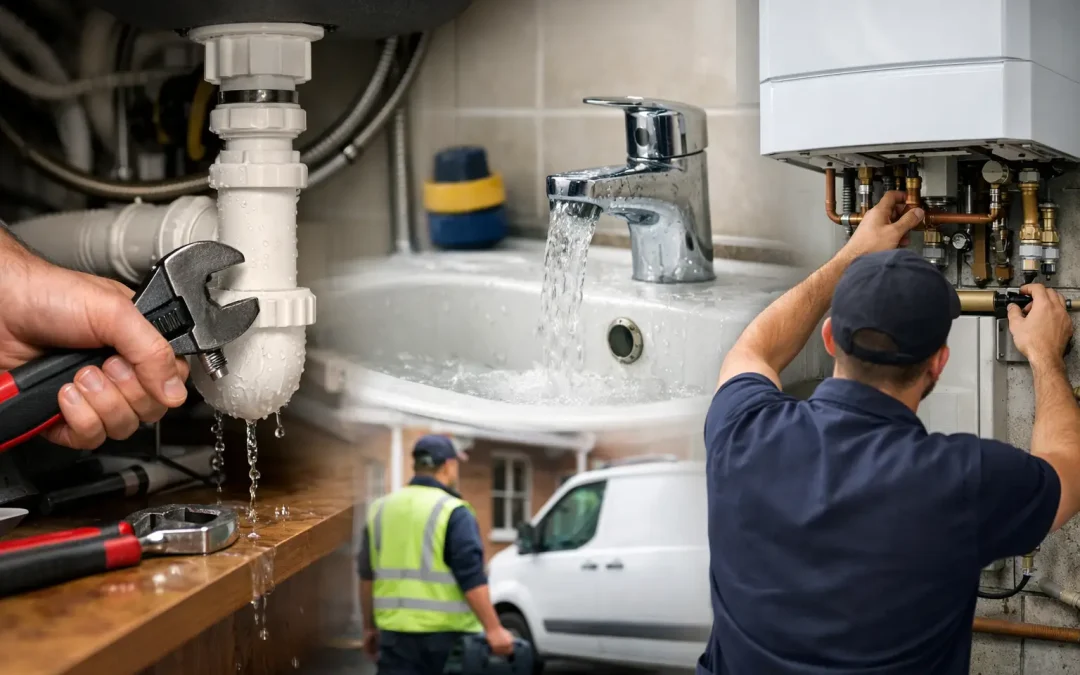
A tenant reports water dripping through the kitchen ceiling on a Sunday evening. Another says the toilet will not flush. A third mentions that a radiator has stayed cold for days. Tenant reported plumbing issues can range from minor inconveniences to problems that cause property damage quickly, so the way they are handled matters just as much as the repair itself.
For landlords and letting agents, the priority is to establish what is happening, arrange suitable access, instruct the right contractor and keep everyone updated. A clear process reduces delays, protects the property and gives tenants confidence that their concern is being taken seriously.
Start by assessing urgency
Not every plumbing report needs the same response. A dripping tap may be inconvenient, but an active leak near electrics, water coming through a ceiling, a toilet that cannot be used where there is no alternative, or a loss of heating or hot water can require much quicker action.
Ask the tenant for a short description of the problem, when it started and whether it is getting worse. Clear photos or a brief video can be useful, particularly for visible leaks, damaged pipework, shower faults or staining. This helps a contractor arrive prepared and can prevent a wasted visit.
It is also worth asking practical questions. Is water still flowing? Can the tenant identify the source? Is the affected fitting isolated or out of use? Is there another toilet in the property? Is the boiler displaying an error code? These details are not about asking tenants to diagnose a fault. They simply help establish the right priority and scope.
Where water is escaping heavily, the tenant should be advised to take sensible immediate precautions, such as moving possessions away from the affected area and, if they can do so safely, using the relevant isolation point. Do not ask a tenant to dismantle fittings, interfere with a boiler or attempt gas-related work.
Common tenant reported plumbing issues
Many reports fall into a small number of familiar categories, although the cause is not always obvious until a plumber attends. Leaks can come from waste pipes, trap seals, appliance connections, showers, toilets, radiators, valves or hidden pipework. What looks like a shower leak, for example, may be a failed seal, damaged enclosure component, waste connection or a problem behind the wall.
Toilet faults are another regular source of maintenance requests. A toilet that continues to run can waste a significant amount of water, while a weak flush, leak at the base or cistern fault can make a bathroom difficult to use. Tap repairs can be straightforward, but worn cartridges, loose fittings and failed valves should still be dealt with before they develop into a larger leak.
Heating complaints need careful handling, particularly in colder months. A single cold radiator may indicate a local issue, whereas no heating or hot water can point to a boiler fault, controls issue, low system pressure or another heating problem. A qualified engineer should assess boiler repairs and any gas-related concern. Landlords should also keep scheduled boiler servicing and landlord gas safety certificate requirements organised rather than relying on a fault report to highlight an overdue visit.
The difference between urgent and routine repairs
A good response is proportionate. Sending someone immediately for every minor issue can create unnecessary cost and disruption. Waiting too long on a genuine leak can result in damaged ceilings, flooring, decorations and neighbouring properties.
Urgent situations usually involve active water escape, a serious loss of essential sanitation, no heating or hot water where the circumstances make this unsuitable to leave, or a concern affecting electrical safety. A suspected gas issue should be treated seriously: the tenant should avoid using electrical switches or naked flames in the affected area, leave the property if necessary and follow the appropriate gas emergency guidance before a Gas Safe registered engineer investigates the appliance or installation.
Routine issues can still need prompt booking. A dripping tap, loose toilet seat, slow leak under a basin or radiator that is not heating properly may not require an immediate attendance, but leaving it unresolved can lead to higher water use, tenant frustration or further deterioration. The correct timescale depends on the condition, the property and whether the tenant can use the affected facilities normally.
Managing access without creating extra admin
Access is often where a simple repair becomes delayed. Tenants may work shifts, agents may hold keys, and landlords may live some distance away. Agreeing a clear appointment window early helps avoid repeated calls and missed visits.
The contractor should know who will provide access, whether there are parking or entry instructions, and whether anyone vulnerable or pets are in the property. For a leak investigation, it may also be necessary to access a neighbouring flat, loft space, stop tap or service cupboard. Passing this information on before the appointment allows the visit to be organised properly.
For letting agents and portfolio landlords, it is helpful to have one point of contact for approvals and updates. If a repair may require parts, a return visit or additional investigation, a clear quotation or recommendation should be provided before non-urgent work proceeds. This gives the property owner control without holding up essential initial attendance.
Why clear communication protects the property
Tenants do not usually need a technical explanation of every washer, valve or pipe connection. They do need to know that the report has been logged, what happens next and whether they need to do anything before the visit. Silence after a maintenance report can make even a minor issue feel neglected.
A useful repair update confirms the appointment, states any relevant access arrangements and explains if parts or further work are needed. After completion, a short report and photographs where appropriate give landlords and agents a record of what was found and repaired. This is particularly useful for leak repairs, concealed faults, repeat issues and work that may affect a deposit or insurance discussion later.
Good records also reveal patterns. If the same shower is reported repeatedly, there may be an underlying installation or drainage issue rather than a series of unrelated minor faults. If radiators regularly need attention, the wider heating system may need assessment. Treating repeat reports as isolated jobs can cost more over time than identifying the actual cause.
When tenant reports point to a wider maintenance issue
A plumbing complaint is sometimes the first visible sign of a wider property problem. Staining beneath a bathroom may suggest a leak, but condensation, failed sealant, damaged grout, poor ventilation or a defect in the fabric of the building can create similar symptoms. The right contractor will assess the evidence rather than assume the first explanation is correct.
There is a trade-off between speed and investigation. A quick repair to stop an immediate leak is often the right first step. However, where the source is uncertain or damage has been present for some time, further checks may be necessary before reinstatement work is approved. Repairing a ceiling before the moisture source is resolved only creates repeat disruption.
Similarly, a boiler repair may restore heating, but a service can identify maintenance needs that reduce the chance of another call-out. A landlord gas safety check and CP12 certificate are separate from a service, although arranging them sensibly can help keep compliance and appliance maintenance organised.
A practical process for landlords and agents
The most effective approach is consistent: log the report, assess immediate risk, collect useful information, arrange access, instruct the appropriate qualified contractor, and communicate the outcome. Each stage should be simple enough that it can be followed when several properties need attention at once.
Southdown Group supports landlords, letting agents and property managers across Loughborough and surrounding areas with organised plumbing, heating and gas repair visits. Clear booking arrangements, practical advice, quotations where required and completion updates help reduce the administration that can build up around tenant maintenance requests.
The best time to build a reliable repair process is before a leak becomes a damaged ceiling or a boiler fault becomes a winter complaint. When tenants know how to report issues and landlords have a dependable local contractor ready to respond, problems are easier to control and properties are better looked after.