
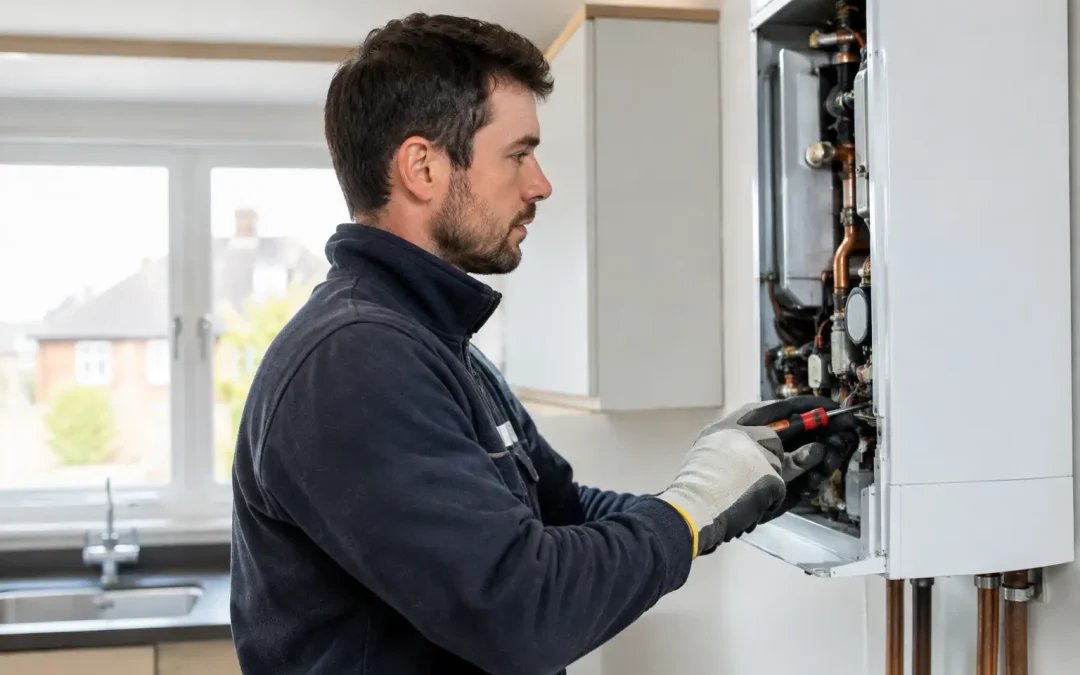
A gas safety check in Loughborough is one of those tasks that should be routine, but can quickly become difficult when a tenant is unavailable, a certificate is nearing expiry or other repairs are discovered at the same time. For landlords and letting agents, the priority is not simply arranging an appointment. It is creating a clear, documented process that protects occupants and keeps the property compliant.
For homes with rented accommodation, gas safety checks need careful planning. Access must be arranged respectfully, the appropriate qualified professional must carry out the inspection, and the resulting record needs to be issued and retained. If action is required afterwards, it should be dealt with promptly and communicated clearly to everyone involved.
What a gas safety check means for landlords
In England, landlords have legal duties relating to gas appliances, fittings and flues supplied at a rental property. An annual safety check must be completed by an appropriately registered gas engineer, and a valid Landlord Gas Safety Record must be provided to existing tenants within 28 days of the check.
New tenants must receive the record before they move in. Landlords must also retain copies for the required period. These responsibilities apply whether a landlord manages one flat or a larger portfolio across Loughborough, Leicester, Nottingham and the surrounding area.
The requirement is separate from general property maintenance, although the two often overlap in practice. A property may have a leaking tap, damaged kitchen units or poor ventilation that need attention around the same time as a scheduled inspection. Keeping the workstreams organised avoids repeated appointments and reduces disruption for tenants.
When to arrange a gas safety check in Loughborough
The sensible approach is to plan well before the current record expires. Leaving it until the final week creates unnecessary pressure, particularly if access needs more than one attempt or follow-up work is identified.
Landlords can usually arrange the next annual check during the permitted renewal window before the existing record expires, while preserving the original anniversary date. This helps maintain a consistent annual schedule. Exact timing matters, so property managers should keep a central record of expiry dates rather than relying on paper files or memory.
A change of tenancy is another useful trigger for reviewing compliance records. Even where a recent check has been completed, the incoming tenant needs the correct documentation before occupation. For a void property, this can sit alongside end-of-tenancy repairs, decorating, cleaning, kitchen improvements or bathroom repairs as part of a planned handover programme.
Access should be planned, not assumed
Tenants are entitled to reasonable notice of visits and should know who is attending, when they are expected and why entry is required. Clear communication makes a material difference. A vague message asking a tenant to be available ‘sometime next week’ is more likely to lead to missed appointments than a confirmed date and time window.
For letting agents and portfolio landlords, an office-supported maintenance process can reduce the administration involved. This may include contacting the tenant, confirming access arrangements, collecting keys where appropriate, recording attendance and passing on completion updates. It gives the landlord a clearer audit trail without placing every call and diary change on one person.
If access cannot be gained, keep a record of the appointment, notices issued and attempts made to rearrange. Landlords should continue making reasonable efforts rather than allowing the matter to drift beyond the due date.
What happens if issues are identified
A safety inspection is not a routine repair visit. The engineer carrying out the check will assess the supplied gas installations and explain any findings. If an appliance or related installation requires attention, the property should not be treated as business as usual until the issue has been properly addressed by a suitably qualified professional.
For landlords, the operational challenge is often what happens around that work. A tenant may need updates, another contractor may need to reschedule a decorating job, or a vacant property may need its refurbishment plan adjusted. Good coordination prevents small issues from creating a chain of missed appointments and unclear responsibility.
Avoid asking general maintenance contractors to diagnose, alter or repair gas installations unless they are properly qualified and registered for that work. The right response is to use the appropriate specialist and ensure any associated property work is planned safely around it.
Coordinating safety checks with property maintenance
A gas appointment may reveal unrelated property concerns simply because someone has gained access to areas that are not inspected every day. Damp beneath a kitchen sink, a damaged cupboard panel, loose sealant around a shower or overdue decorating are common examples of maintenance matters that can be picked up during a tenancy.
These are not part of the gas safety check itself, but addressing them through one organised maintenance plan can be more practical than arranging several unconnected visits. The trade-off is that not everything should be bundled together if it delays a time-sensitive compliance matter. Safety checks and any required specialist action should take priority, while non-urgent repairs can be scheduled sensibly afterwards.
Southdown Group can support landlords, letting agents and property managers with the wider maintenance side of the process, from tenant communication and access coordination to plumbing repairs, decorating, joinery and refurbishment works. Having one organised point of contact for these associated jobs helps keep responsibilities clear when several trades are involved.
Keep records that are useful, not just stored
A compliance file should be easy to find and easy to understand. Alongside the current safety record, retain appointment communications, records of access attempts where relevant, completion information and details of related repairs. Photographs can also be useful for broader maintenance work, particularly in managed properties or void refurbishments.
For a landlord with multiple addresses, a simple tracker showing property, expiry date, tenant contact route, appointment status and certificate received date can prevent avoidable gaps. Letting agents should make sure the system identifies who is responsible for booking the check and who is responsible for confirming the document has been issued.
This level of organisation is not bureaucracy for its own sake. It protects tenants, gives landlords confidence and makes it easier to respond properly if a question arises later.
Common problems that cause avoidable delays
The first is treating the annual date as a last-minute task. Booking early gives more choice of appointments and more time to deal with access difficulties. The second is assuming a tenant has received a certificate because it was sent to the letting agent or uploaded to a system. Completion and delivery should both be confirmed.
Another common problem is fragmented communication. A landlord, agent, tenant, engineer and maintenance contractor may all have part of the story, but no one has the full picture. Assigning clear responsibility for each stage helps prevent duplicated calls, missed updates and work being arranged in the wrong order.
Finally, do not confuse a general property inspection with a formal annual gas safety check. A well-maintained property is beneficial, but it does not replace the required inspection and documentation by the appropriate qualified professional.
A practical routine for rental properties
For most landlords, the most reliable method is to review upcoming expiry dates monthly, arrange appointments in good time and issue the completed record promptly. Where a tenant reports a separate maintenance concern, log it clearly and decide whether it needs its own visit or can be scheduled around planned access without causing delay.
This approach is particularly useful for properties with frequent tenant changes, larger portfolios or homes undergoing refurbishment between lets. It keeps compliance, repairs and communication moving in the right order rather than allowing a straightforward requirement to become a stressful chase.
A well-managed rental property depends on small responsibilities being handled consistently. Plan the check early, communicate clearly with the tenant and keep the wider maintenance work organised around the people who live in the property.